
Best Workforce Practices for Regulated Life Sciences Companies at Pivot Park OSSC
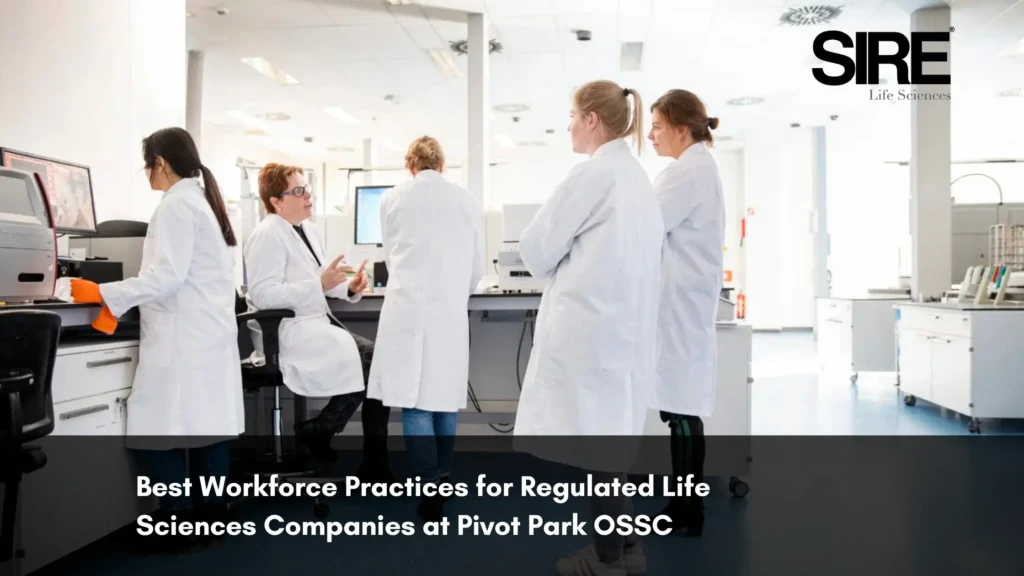
Introduction: Why Workforce Strategy Is Now a Growth Issue in the Netherlands
If there’s one thing we have learned from working closely with life sciences organizations across the Netherlands, it’s this: growth rarely fails because of science, it fails because of people’s strategy.
At innovation hubs like Pivot Park OSSC, companies are scaling fast. New platforms, new therapies, new technologies. But behind the scenes, many leadership teams are wrestling with the same question:
How do we grow without losing the expertise that made us successful in the first place?
In regulated life sciences environments, that question matters even more. Knowledge takes years to build, and once it’s gone, it’s hard to replace. This article shares practical workforce practices I see working in the Dutch life sciences ecosystem, not theory but approaches grounded in real projects, real teams and real growth challenges.
Why Workforce Strategy Is Different in Regulated Life Sciences
The Reality Most Leaders Underestimate
Life sciences companies don’t operate like typical tech or commercial organizations. In regulated, innovation-driven environments:
- Expertise is deep, specialized and slow to replace
- Growth often outpaces capability development
- Knowledge tends to sit with individuals, not systems
- Teams scale before experience fully transfers
This is where many standard workforce models break down.
The Pivot Park Context
At Pivot Park OSSC, you see a unique mix of:
- Start-ups moving toward scale
- Established organizations expanding R&D and operations
- Shared competition for a limited, highly specialized talent pool
That combination demands a much more intentional approach to workforce strategy.
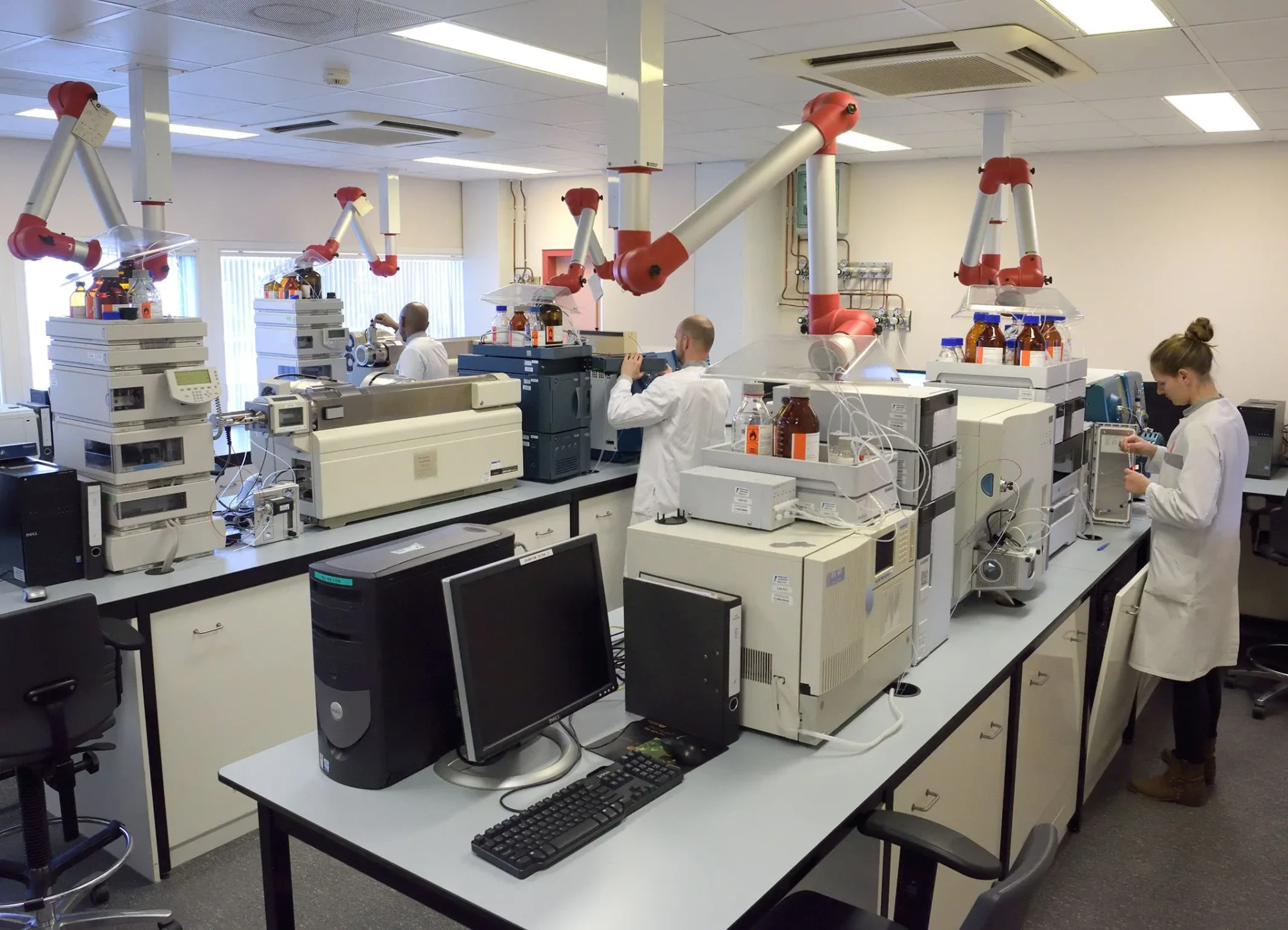
Best Workforce Practice #1: Design Teams Around Capabilities, Not Job Titles
One of the biggest shifts I encourage leaders to make is moving away from traditional role-based thinking.
What This Looks Like in Practice
Instead of asking Which roles do we need? ask:
- Which capabilities are critical to our growth?
- Where does that knowledge currently live?
- What happens if one or two key people leave?
A Simple Step-by-Step Approach
- Identify business-critical capabilities (scientific, technical, operational)
- Map where that expertise sits today
- Build teams to protect and spread that knowledge
- Plan growth around capability depth, not just headcount
This approach creates resilience, especially important in regulated environments.
Best Workforce Practice #2: Make Knowledge Continuity a Leadership Responsibility
In the Netherlands, we see many organizations assume knowledge transfer will just happen. In reality, it rarely does.
How High-Performing Teams Handle This
They embed continuity into how teams work:
- Structured mentoring between senior and emerging talent
- Overlapping responsibilities during scale phases
- Intentional time for knowledge sharing, not just delivery
Knowledge continuity isn’t an HR initiative; it’s a leadership discipline.
Best Workforce Practice #3: Build Capability Before the Pressure Hits
A common pattern I see:
Growth accelerates → delivery pressure increases → learning is postponed.
That’s risky.
A Smarter Approach
The strongest life sciences organizations:
- Invest in capability development ahead of growth milestones
- Treat learning velocity as a strategic KPI
- Balance external consultancy support with internal capability building
This reduces long-term dependency and strengthens teams from within.
Best Workforce Practice #4: Treat Workforce Strategy as a Value Driver, Not a Cost
Workforce decisions shape:
- Speed to market
- Innovation sustainability
- Long-term enterprise value
Yet many organizations still treat workforce strategy as operational rather than strategic.
A Better Leadership Lens
Ask at board and executive level:
- How does our workforce strategy support our innovation roadmap?
- Which capabilities create long-term value?
- Where are we exposed if growth accelerates faster than experience?
When workforce strategy is aligned with business strategy, growth becomes far more predictable.
Best Workforce Practice #5: Use the Ecosystem, Not Just the Organisation
One of the biggest advantages of operating at Pivot Park OSSC is the ecosystem itself.
High-performing companies don’t operate in isolation. They:
- Share insights across the campus
- Build relationships with academic and research partners
- Leverage consultancy and project expertise strategically
Workforce strength increasingly comes from how well you engage the ecosystem, not just who you employ internally.
Common Workforce Mistakes I See Growing Life Sciences Companies Make
To keep this practical, here are a few patterns worth avoiding:
- Scaling headcount without mapping capability risk
- Relying solely on external hiring to solve expertise gaps
- Delaying learning and development during growth phases
- Treating workforce planning as reactive rather than strategic
Each of these weakens resilience over time.
A Simple Workforce Maturity Model for Life Sciences Companies
Early Stage
- Focus: building core expertise
- Risk: knowledge concentration
Scaling Stage
- Focus: spreading and stabilizing capability
- Risk: growth outpacing experience
Established Stage
- Focus: continuity and optimization
- Risk: rigidity and skill stagnation
Understanding where you are helps define what workforce practice matters most right now.
What the Strongest Life Sciences Organizations Do Differently
Across the Netherlands, the organizations that scale well tend to share a few traits:
- They plan workforce strategy early
- They protect critical expertise deliberately
- They invest in capability, not just capacity
- They see workforce strategy as part of innovation strategy
That mindset makes all the difference.

Final Thoughts: Workforce Strategy Is a Leadership Choice
Science may drive discovery, but people drive sustainable growth.
At innovation hubs like Pivot Park OSSC, workforce strategy is no longer a background function, it’s a competitive advantage. The organisations that recognise this early are the ones best positioned to scale with confidence.
FAQ’s
Why is workforce strategy critical for regulated life sciences companies?
Because specialised expertise takes years to build and must scale alongside innovation to avoid growth bottlenecks.
What makes workforce planning at Pivot Park OSSC unique?
The dense innovation ecosystem creates both opportunity and competition for highly specialized life sciences talent.
How can companies reduce dependency on external hiring?
By investing early in internal capability development and structured knowledge transfer.
When should life sciences companies focus on workforce strategy?
Ideally before growth accelerates, not when skill gaps are already impacting delivery.
How does SIRE Life Sciences support workforce strategy?
By providing consultancy and project-based expertise that strengthens capability without compromising continuity.
Call to Action
If you’re a CEO, HR Director, Talent Acquisition leader, Hiring Manager or Procurement professional in the Dutch life sciences industry and want to strengthen your workforce strategy:
Connect with SIRE Life Sciences to explore how consultancy and project-driven workforce solutions can support your growth without compromising expertise.